Irrigation Repair Warning Signs: Leaks, Low Pressure, and Dry Spots
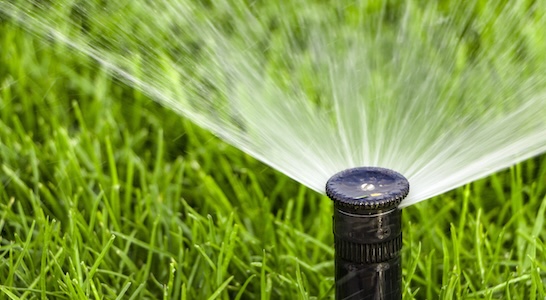
Your lawn should bounce back after a summer shower, not struggle with puddles, misting, or brown patches. If you live in Tallahassee, heavy afternoon storms, long warm seasons, and sandy soils put extra stress on sprinkler systems. When parts wear out or settings drift, water gets wasted and turf suffers. If any of the signs below sound familiar, it is time to schedule irrigation repair with a trusted local team.
This guide explains what to watch for, why these problems happen in Leon County yards, and how a professional lawn care crew finds and fixes the real cause. You will also learn when to act quickly to protect your landscape and your water bill.
Top Warning Signs Your System Needs Irrigation Repair In Tallahassee
Soggy Spots and Surface Leaks
Soft, spongy turf or standing water that lingers after a run cycle usually points to a break below the surface or a leaking sprinkler head. Watch for mulch washing away from beds or water creeping toward your driveway or patio. Standing water near walkways can be a slip hazard, and it invites mosquitoes in warm weather.
Low Water Pressure and Weak Spray
Misting, short spray distance, or a lazy arc means the zone is under pressure. Causes range from a partially closed valve to hidden leaks or clogged nozzles. In Tallahassee’s fine sandy soils, tiny particles can work into heads and filters over time, starving the far corners of your lawn.
Dry Patches and Stressed Turf
If your St. Augustine or centipede grass has straw-colored spots, footprints linger, or edges crisp first, water is not reaching the root zone evenly. Misaligned or sunken heads, a failing rotor, or root intrusion around pipes can leave corners and parkways thirsty. Brown rings often point to a blocked spray pattern rather than heat alone.
High Water Bills Without A Lifestyle Change
A sudden jump on your City of Tallahassee utility bill with no new irrigation schedule or guests is a red flag. Even slow underground leaks can run for hours before anyone notices, especially on overnight cycles. Do not ignore an unexplained spike on your bill because small leaks add up fast in long hot months.
Zones That Stick On or Will Not Start
When a zone runs nonstop or refuses to come on, the issue could be a failed valve, low-voltage wiring problem, or a controller setting that drifted during a power surge. Summer thunderstorms and lightning in our area can stress controllers and valve solenoids.
Overspray, Fogging, and Orange Stains
Spray hitting fences, windows, or the street wastes water and can leave orange iron stains from well water. Fogging during windy summer afternoons means droplets are too fine and blowing away rather than soaking in. A pro can right-size nozzles, adjust arcs, and set runtimes for local weather.
- Watch for puddles that return after each cycle, even on dry days
- Check for weak spray in the far corners of each zone
- Note any new dry rings or stripes across the lawn
- Compare this month’s water bill to the same month last year
Why These Problems Happen In Tallahassee Yards
Local conditions matter. Our area sees frequent summer downpours, short dry spells, and periodic cold snaps that can crack brittle parts. Sandy and sandy-loam soils around neighborhoods like Killearn Estates, Southwood, Betton Hills, and the Lake Jackson area shift with rain and drought, nudging heads out of level and opening gaps around fittings.
Pine and live oak roots search for moisture and can pinch lateral lines. Mulch and pine straw migrate during storms, burying heads so they cannot pop up fully. Iron from some well systems can gum up filters. Over time, these small stresses stack up until coverage falls off.
Good coverage comes from healthy pressure, clean nozzles, level heads, and timing that matches the season. If you want a bigger-picture look at how your whole landscape works together, start with our overview of irrigation repair in Tallahassee FL and water-wise lawn care planning from Lawn Pros of Tallahassee.
What A Professional Lawn Care Team Checks
A trained irrigation technician does more than swap a broken head. They trace symptoms back to the true cause so the fix holds up through summer heat and storm season. Here is what that visit typically includes and why it protects your yard:
Controller, Programs, and Power
Storms and brief outages can scramble schedules. A pro verifies date and time, seasonal adjustments, and start times so zones do not overlap and drop pressure. They check surge protection and look for any wiring corrosion that could cause random zone failures.
Valve Boxes and Zone Performance
Valve boxes often flood after heavy rain. A tech inspects for stuck or buzzing solenoids, cracked diaphragms, and leaks at fittings. Water and electricity do not mix, so it is important that a professional handles these checks with the right tools.
Head Alignment, Height, and Nozzles
Heads settle and tilt in sandy soil, which skews spray patterns and wastes water. The team levels and raises heads to the proper height for St. Augustine and centipede turf, replaces clogged or worn nozzles, and sets arcs so water lands on grass and beds, not the sidewalk.
Pressure and Coverage Balance
They measure pressure at the manifold and at the far end of each zone. If pressure is low, the tech looks for supply restrictions, hidden leaks, or too many high-flow nozzles in one zone. Balancing flow prevents the near heads from stealing water from the far ones.
Hidden Leaks and Line Breaks
Subsurface leaks can be quiet. A pro uses visual cues, pressure loss, and sometimes listening tools to narrow down trouble spots without tearing up the whole yard. That saves time and preserves your landscape.
Preventive Care To Protect Your System
Most homeowners want green, even turf without wasted water. You can set yourself up for that by pairing timely repairs with routine checkups from a qualified lawn care partner. The right maintenance plan keeps small issues from becoming surprises in August.
Seasonal tune-ups are quick but thorough. Your team verifies schedules for spring growth, summer heat, and fall cool-down. They look for heads that got bumped by mowers, make small alignment tweaks, and confirm zones still reach every corner after plant growth and mulch refreshes.
- Book a system check before summer storm season ramps up
- Schedule a review after any major landscape change or tree work
- Ask about smart controllers that adjust run times to weather patterns
If you use reclaimed or well water, filters and nozzles may need more frequent attention. Around patios and pool decks, precise head selection keeps spray off hardscapes and reduces slip risks. A few professional adjustments each season protect your lawn and your water use.
How To Read The Clues: Real-World Examples
Every yard tells a story. Here are a few common patterns our area sees and what they usually mean for irrigation health:
- In Midtown and Betton Hills, older systems sometimes have mixed head types on the same zone. Rotors and sprays water at different rates, so one part of the lawn looks swampy while another browns out. A pro evens out precipitation by matching heads and nozzles within each zone.
- In Southwood, wide-open common areas face gusts in summer afternoons. Fine mist drifts off target, and edges dry first. Adjusting to heavier-droplet nozzles and watering earlier can keep water where it belongs.
- Near Lake Jackson, sandy slopes let water run before it soaks. Short, staged cycles applied by the right controller reduce runoff and improve penetration. The fix is about timing and head placement, not more minutes that blow down the hill.
Common Myths About Sprinkler Problems
“It rained, so I can skip repairs.” A storm can hide leaks for a day or two, but damage keeps leaking on the next cycle. “Only the brown spot needs attention.” Coverage issues rarely stop at one square; they show up there first. “I can just raise the run time.” That often wastes water without solving clogged or mis-aimed heads. More minutes are not a cure for poor coverage.
When To Call Lawn Pros of Tallahassee
If you see soggy zones, weak spray, or creeping water bills, bring in a pro before summer heat sets in. Lawn Pros of Tallahassee focuses on clear diagnosis, neat repairs, and settings that match Tallahassee’s weather and soils. Start with a quick system evaluation and get a plan that protects your lawn and hardscapes.
Ready to fix uneven watering and stop waste? Use our online request to schedule irrigation repair with Lawn Pros of Tallahassee, or call 850-955-LAWN to talk with a local specialist today. We service neighborhoods across Tallahassee and nearby communities within a short drive, and we stand behind our work so you can enjoy a green, even lawn all season.