How Often Should You Mow in Tallahassee? A Seasonal Schedule for lawn mowing tallahassee
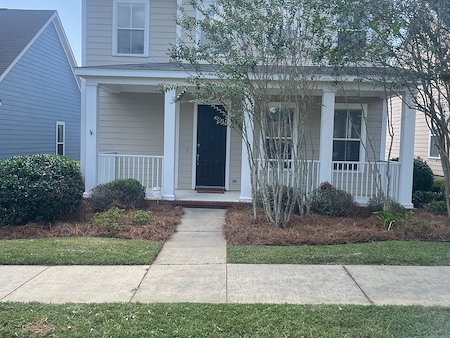
If you live in Tallahassee, your grass grows fast, thick, and nearly year‑round. That’s great for curb appeal, but it also means your mowing plan should match the season. This guide gives a simple, local schedule so your yard stays healthy without stress. If you want a pro to handle it, our professional lawn mowing keeps your turf on the right rhythm from spring green‑up to winter slowdown.
Why Mowing Frequency Matters In Tallahassee
Tallahassee sits in a humid subtropical zone with long, rainy summers and mild winters. Warm‑season grasses like St. Augustine, zoysia, Bermuda, and centipede can surge after afternoon storms, then slow down when daylight and rain taper off. The right schedule prevents scalping, reduces weeds, and locks in that clean, even color you notice in neighborhoods like Killearn Estates, Southwood, Betton Hills, Midtown, Piney‑Z, and Ox Bottom.
Cutting too much at once can shock your lawn. A steady schedule trims a little growth each time, which keeps roots strong, blades thick, and soil shaded.
Seasonal Mowing Schedule For Tallahassee
Use this simple guide to plan your year. Your exact timing can shift with rain, shade, and how much you feed and water the lawn.
- February–March: Growth wakes up. Mow every 10–14 days as the lawn greens up, especially on sunny lots in Southwood and Ox Bottom.
- April–May: Active spring growth. Plan every 7–10 days. Lawns with irrigation and recent fertilization trend closer to weekly.
- June–September: Rainy season. Weekly mowing is the baseline. Many dense St. Augustine and Bermuda lawns in sunny areas may need 5–7 day cycles to prevent overgrowth between cuts.
- October: Growth eases. Shift to every 10–14 days depending on shade and rainfall.
- November–January: Cool season slowdown. Mow as needed every 2–3 weeks to keep things tidy and prevent leaves or winter weeds from taking over.
In shady streets under live oaks around Midtown and Betton Hills, growth can slow earlier than in wide‑open Southwood. That is normal. Adjust within the ranges above and aim for steady, light trims rather than long gaps and heavy cuts.
Summer storms arrive fast in Tallahassee. Avoid mowing when the lawn is soggy to prevent ruts and clumping. Wet cutting can spread fungus and leave tire tracks that linger well into fall.
Weekly Vs Biweekly: What Works Best Here
Homeowners often ask whether weekly or biweekly service is the smarter play. In Tallahassee, weekly is the safest default from April through September because growth is aggressive and consistent. Biweekly service can work in shoulder seasons or shaded lawns, but only if growth stays modest.
Ask yourself these quick questions:
- Does the lawn look shaggy or uneven before the next visit?
- Are you seeing clumps or a dull, gray cast after cutting?
- Do edges lose shape along sidewalks and driveway week to week?
If you answered yes to any, weekly service is likely the better fit. Letting the lawn jump too tall between cuts invites scalping and weeds. A weekly tempo also keeps edging lines sharp, which is a big part of that crisp, freshly groomed look you notice driving through Killearn Lakes and Waverly Hills.
Best Mowing Height For Warm‑Season Grass In Tallahassee
Height and frequency go together. Keep within healthy ranges for local turf so each trim removes only a small portion of blade length.
St. Augustine
Maintain a taller canopy. Most Tallahassee lawns look and perform best kept in the higher range, especially under trees. Taller blades shade the soil and help block weeds.
Zoysia
Generally shorter than St. Augustine, with a dense, carpet‑like texture when cared for on a steady schedule. In partial shade, a slightly higher cut helps leaf area capture more light.
Bermuda
Thrives in full sun and grows fast in summer. Needs frequent trims to avoid that hay‑like look or scalping on slopes and along curbs.
Centipede
Prefers a moderate height and lighter feeding. A consistent schedule keeps color even and reduces stress during late‑summer heat waves.
Never “reset” an overgrown lawn in one pass. If growth gets ahead of you after a vacation or heavy rain week, plan gradual reductions over several visits. That approach keeps the lawn green instead of exposing brown stems.
Mowing Schedule By Common Tallahassee Situations
Shady, Tree‑Covered Lots
Midtown and Betton Hills yards with heavy oak shade often grow slower. Biweekly can work spring and fall, but watch for thin areas. A taller cut helps the grass handle limited light.
Full‑Sun, Irrigated Lawns
Southwood, Ox Bottom, and new builds with open exposure grow fast in summer, especially with regular irrigation. Plan a firm weekly schedule to avoid clumps and keep color even curb to curb.
Vacation Homes And Rentals
When gaps are likely, pre‑book weekly visits during June through September so growth does not leap ahead. A consistent plan prevents corrective cuts later.
How Rain, Heat, And Fertilizer Change The Plan
In Tallahassee, afternoon storms can drop a lot of water within an hour. That surge plus warm nights fuels fast top growth. Heavily fed lawns respond even more. If growth increases, shorten the time between visits so each cut stays light. When rain is scarce and growth slows, stretch intervals a bit, but avoid letting the lawn get shaggy.
You might also notice different growth on the same property. The sunny back lawn in Southwood can race ahead while the front under trees barely moves. That is normal and is another reason a fixed weekly rhythm often wins. It smooths out the rough patches and keeps everything balanced.
Simple, Local Schedule You Can Trust
Here is a clear, Tallahassee‑friendly framework you can lean on:
- Spring through early summer: weekly or every 7–10 days, depending on sun and irrigation.
- Rainy summer peak: weekly is standard; very vigorous lawns may need 5–7 day spacing.
- Fall taper: every 10–14 days as growth slows and nights cool.
- Winter: every 2–3 weeks as needed to keep a tidy, even appearance.
Stay mindful of shade and rainfall, and remember that small, steady trims protect color and density. If the schedule starts to slip or you see clumps, move to a tighter rhythm.
Get Pro Results Without The Guesswork
Keeping a lawn on a precise schedule takes time and attention to detail. If you want consistent stripes, clean edges, and a yard that looks good between visits, let Lawn Pros of Tallahassee handle it. Our crews plan around Tallahassee’s weather, your grass type, and your property’s shade pattern. We’ll keep you on pace with efficient, reliable service so you can enjoy the yard without managing the calendar.
When you are ready to lock in a season‑smart plan, book professional lawn mowing. If you want to explore more options, browse our full lawn care services to see how trimming, mulching, and cleanup work together to raise curb appeal across the whole property.
Ready To Set Your Seasonal Mowing Schedule?
Start with a quick call to 850-955-LAWN and tell us about your lawn, neighborhood, and goals. You can also get to know us and learn more about lawn mowing tallahassee on our home page. When you are ready, we will map out the right plan and visit times.
Make this the year your lawn looks great in every season. Contact Lawn Pros of Tallahassee to schedule mowing on a timetable that fits Tallahassee’s weather and your yard’s needs.